 By admin

Industrial businesses continually look for ways to improve production efficiency, maintain reliable equipment, and reduce avoidable delays. Automation and advanced machining can support these goals by improving manufacturing consistency, streamlining repetitive tasks, and helping teams produce components that meet precise specifications.
However, technology alone does not guarantee better results. Businesses also need appropriate equipment, effective maintenance procedures, trained employees, and clear communication between departments. A poorly maintained machine or an uncoordinated repair schedule can disrupt production even in a highly automated facility.
Improving industrial operations starts with understanding existing processes and identifying where practical changes can make the greatest difference. By evaluating equipment performance, planning maintenance, strengthening safety procedures, and coordinating specialized services, businesses can build more dependable workflows. These improvements can help facilities use resources effectively, manage operational risks, and adapt to changing production requirements without sacrificing quality or safety.
Use Precision Manufacturing to Improve Production Consistency
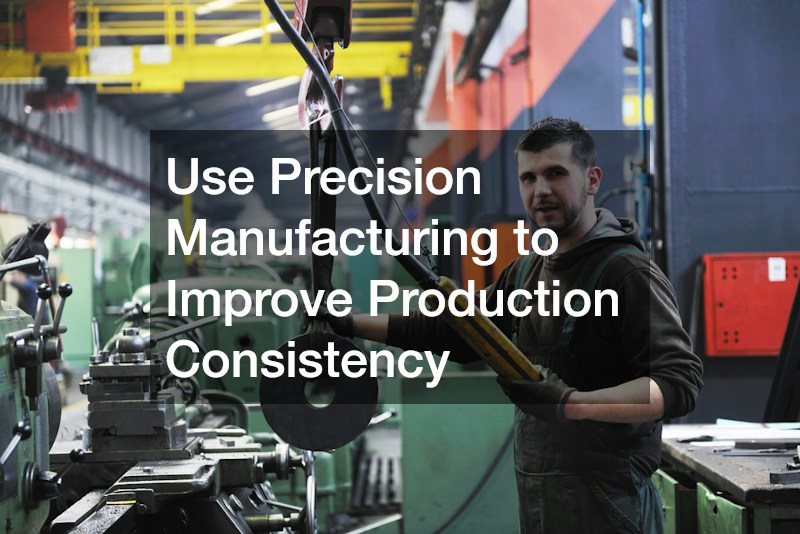
Manufacturing accuracy affects product quality, assembly, and equipment performance. A CNC machining service can produce components from digital specifications, allowing manufacturers to repeat operations with consistent settings and measurements. This can be especially useful when parts require precise dimensions or must fit together reliably.
Before selecting a provider, define the component’s requirements clearly. Technical drawings should specify dimensions, tolerances, materials, and surface finish expectations. Incomplete specifications can lead to misunderstandings, rework, and production delays.
Consider these practical steps:
- Confirm equipment capabilities: Ask whether the provider can handle the component’s size, material, and required tolerances.
- Review quality procedures: Discuss measurement methods, inspection records, and how defects are handled.
- Validate initial parts: Inspect samples before approving larger production runs.
- Share design updates: Make sure the machining provider receives the latest approved drawings.
Automation can reduce repetitive manual work, but inspection remains important. Review production results regularly to identify variation and determine whether tooling, machine settings, or specifications need adjustment. Clear requirements and consistent quality checks help manufacturers reduce avoidable errors while maintaining dependable production standards.
Choose the Right Machining Equipment for Each Task
Different components require different machining approaches. Lathes are commonly used to shape rotating workpieces, making them suitable for producing shafts, bushings, and other cylindrical parts. Milling machines, drilling equipment, and specialized tools address different geometries and manufacturing requirements.
Choosing equipment should begin with the component’s design rather than the assumption that one machine can perform every task efficiently. Production volume, material properties, part complexity, and required accuracy all influence the decision.
Before starting a project:
- Review component drawings: Identify the shapes, dimensions, tolerances, and surface finishes required.
- Consider production volume: Determine whether conventional equipment or CNC automation better fits the expected workload.
- Evaluate setup requirements: Account for tooling changes, workholding, and time needed between operations.
- Check operator expertise: Match equipment complexity with available training and technical support.
Combining processes may be necessary when a component includes both cylindrical and flat features. Planning these operations can reduce repeated setups and unnecessary handling. Reviewing machine capabilities with experienced machinists also helps identify practical production methods before materials and labor are committed.
Apply Specialized Machining to Complex Components
Some industrial components contain small features, narrow openings, or intricate geometries that conventional cutting tools cannot produce efficiently. Specialized machining processes can address these challenges when manufacturers need precise features or must work with difficult materials.
Micro EDM milling uses controlled electrical discharges to remove material from electrically conductive workpieces. Because the process does not rely on conventional cutting forces in the same way as mechanical milling, it can be useful for certain intricate features. Its suitability depends on the material, geometry, surface finish, and production requirements.
To determine whether specialized machining is appropriate:
- Define critical dimensions: Identify which features require particularly tight tolerances.
- Confirm material compatibility: Discuss whether the workpiece can be processed using the proposed method.
- Review sample results: Examine prototype components before approving full production.
- Plan inspections: Specify how critical dimensions and surface characteristics will be verified.
Involving machining specialists during design can reveal manufacturing limitations before they become expensive problems. Testing prototypes and documenting approved settings can also help maintain consistency when production moves from development to repeated manufacturing.
Reduce Equipment Downtime Through Structured Maintenance
Unplanned equipment failures can interrupt production, delay deliveries, and require expensive emergency repairs. A structured maintenance program helps teams identify wear, address developing problems, and plan service around operational priorities.
Hydraulic cylinder services can help resolve issues such as leaking seals, damaged rods, and impaired cylinder performance. Because hydraulic components may operate under substantial pressure, inspections and repairs should follow appropriate technical procedures and manufacturer guidance.
A practical maintenance routine should include:
- Inspect visible components: Look for leaks, damaged hoses, loose fittings, and unusual wear.
- Monitor operating performance: Record changes in movement, pressure, temperature, or response.
- Schedule preventive work: Use manufacturer recommendations, equipment usage, and operating conditions to establish inspection intervals.
- Document repairs: Record symptoms, replacement parts, service dates, and follow-up checks.
Maintenance records can reveal recurring failures that might otherwise be treated as isolated incidents. If the same component repeatedly breaks down, investigate possible causes rather than simply replacing it again. Reviewing these patterns helps teams prioritize corrective work and make better decisions about maintenance schedules, replacement components, and equipment upgrades.
Keep Agricultural Machinery Productive During Peak Seasons
Agricultural operations often depend on equipment being available when fieldwork needs to happen. A mechanical failure during planting or harvesting can disrupt schedules and create additional pressure on operators. Preparing machinery before busy periods can help reduce preventable interruptions.
Agricultural repair and machining can support equipment maintenance by addressing damaged components, worn parts, and mechanical problems that require repair or precise fabrication. The appropriate solution depends on the machine, component condition, and manufacturer’s requirements.
Businesses can improve equipment readiness by:
- Inspecting machinery early: Review critical components before seasonal workloads increase.
- Identifying vulnerable parts: Use previous maintenance records to prioritize recurring problem areas.
- Planning parts availability: Determine which replacement components may take longer to obtain.
- Recording repair history: Track repeated faults and the conditions under which they occur.
Repairs should be evaluated according to equipment function, safety, and operational urgency. A qualified technician can help determine whether a component should be repaired or replaced. After service, test the machinery appropriately and confirm that safety features operate correctly before returning it to regular use.
Coordinate Equipment Transport to Prevent Delays
Industrial equipment sometimes needs to move between facilities, maintenance areas, and project sites. Poor transport planning can cause schedule disruptions, equipment damage, or hazardous working conditions. Coordinating logistics with production and maintenance teams helps prevent avoidable complications.
Heavy equipment loading requires attention to machinery weight, dimensions, center of gravity, lifting arrangements, and transport capacity. The loading area must also accommodate the equipment and the people responsible for moving it.
Before transport begins:
- Verify equipment details: Confirm dimensions, weight, attachments, and any special handling requirements.
- Check loading arrangements: Use suitable ramps, lifting equipment, and transport vehicles.
- Establish safe working zones: Keep unauthorized personnel away from active loading operations.
- Confirm securement: Follow appropriate procedures to prevent shifting during transport.
Qualified personnel should oversee loading and securing activities, using equipment and methods suitable for the specific machinery. Coordinate transport times with the receiving facility so that unloading equipment and personnel are available. Confirming responsibilities in advance can reduce waiting time and help equipment return to service or reach the project site as planned.
Build a Fire Protection Plan Around Operational Hazards

Industrial facilities may contain electrical equipment, flammable liquids, combustible materials, and machinery that generates heat. Fire protection planning should reflect the actual hazards present rather than relying on a generic solution for every area.
Different types of fire suppression systems are designed for different applications. Water-based systems, foam systems, dry chemical systems, and clean-agent systems have different operating characteristics and limitations. The appropriate option depends on factors such as the materials present, equipment sensitivity, facility layout, and applicable regulations.
To improve fire protection planning:
- Assess specific hazards: Identify combustible materials, ignition sources, and areas requiring special protection.
- Consult qualified professionals: Obtain guidance on suitable systems, design, installation, and compliance.
- Maintain detection equipment: Follow inspection and testing schedules for alarms and suppression components.
- Train employees: Explain emergency procedures, evacuation routes, and reporting responsibilities.
Automated suppression equipment can be an important part of a broader fire safety strategy, but it does not replace hazard prevention or emergency planning. Review protection arrangements whenever machinery, materials, or production processes change. Keeping records of inspections and corrective actions helps the facility manage fire risks more systematically.
Maintain Automated Machine Functions Through Timely Repairs
Automated manufacturing equipment often relies on specialized components to perform multiple operations efficiently. When these components develop faults, production quality and machine availability may suffer. Early investigation can help prevent a small mechanical problem from becoming a larger interruption.
Live tooling repair addresses problems involving powered tooling components used in certain CNC turning applications. These components may experience wear or damage that affects tool operation, machining accuracy, or performance.
When a machine behaves differently, take these steps:
- Record warning signs: Document unusual noise, vibration, heat, alarms, or changes in machining results.
- Review recent activity: Note recent maintenance, tooling changes, and operating conditions.
- Arrange qualified inspection: Use technicians familiar with the equipment and its specifications.
- Verify performance after service: Complete appropriate checks before returning the machine to normal production.
Avoid continuing to operate equipment when a suspected fault could compromise safety or damage other components. Following the manufacturer’s guidance and maintaining service records can help technicians diagnose problems more effectively. Reviewing recurring repair issues may also reveal opportunities to improve maintenance intervals or operating practices.
Improve Process Safety Around Hazardous Environments
Some industrial facilities use electrical instrumentation in areas where flammable gases, vapors, or dust may create ignition hazards. Selecting suitable equipment and following the correct installation procedures are essential parts of managing these environments.
An intrinsically safe barrier limits the electrical energy that can pass into a hazardous area when it is correctly selected and integrated into a compatible system. Its suitability depends on the hazardous-area classification, connected equipment, electrical parameters, and overall safety design.
Businesses should focus on several important controls:
- Assess the environment: Confirm the area’s hazard classification and applicable requirements.
- Check compatibility: Verify that the barrier and connected instruments meet the system’s technical specifications.
- Use qualified personnel: Have appropriately trained professionals design, install, and verify the arrangement.
- Maintain documentation: Keep equipment records, installation details, and inspection results accessible.
A barrier should not be treated as a standalone solution without evaluating the entire circuit and installation. Changes to instruments, wiring, or operating conditions may affect the original safety assessment.
Integrate Contractors Into Equipment and Project Planning

Industrial projects may require outside specialists for site preparation, infrastructure work, machinery installation, or other activities that internal teams do not perform themselves. Coordinating contractors with production and maintenance schedules can reduce confusion and prevent work from interfering with ongoing operations.
An excavation contractor may need information about site access, underground utilities, ground conditions, equipment movement, and the location of existing infrastructure. Providing this information early helps the contractor plan work and identify potential issues before excavation begins.
Improve coordination by following these practices:
- Define responsibilities: Document the work scope, project contacts, and who approves changes.
- Confirm site requirements: Review utility locations, access routes, permits, and relevant safety procedures.
- Coordinate schedules: Arrange work around production demands and other contractors.
- Track progress: Record updates, unexpected conditions, and agreed changes to the plan.
Before work starts, clarify how hazards will be reported and how unexpected site conditions will be handled. After completion, review the project against its requirements and document any lessons learned. Consistent coordination can improve communication, reduce avoidable delays, and support safer project execution.
Improving industrial operations requires a coordinated approach to manufacturing, maintenance, logistics, and safety. Automation and specialized machining can support consistent production, but their effectiveness depends on appropriate equipment selection, accurate specifications, qualified personnel, and ongoing performance checks.
Businesses can begin by identifying recurring problems, such as production defects, equipment downtime, maintenance delays, or unclear contractor responsibilities. Reviewing these issues helps teams choose improvements that address actual operational needs rather than adopting technology without a defined purpose.
Evaluate changes gradually and track relevant results, including production quality, downtime, repair frequency, and safety observations. By combining appropriate technology with practical planning and continuous improvement, industrial businesses can develop more reliable workflows and respond more effectively to changing operational demands.